
 Weichi Tire Successfully Completes Shipment to Valued Client in New ZealandDec 26, 2025
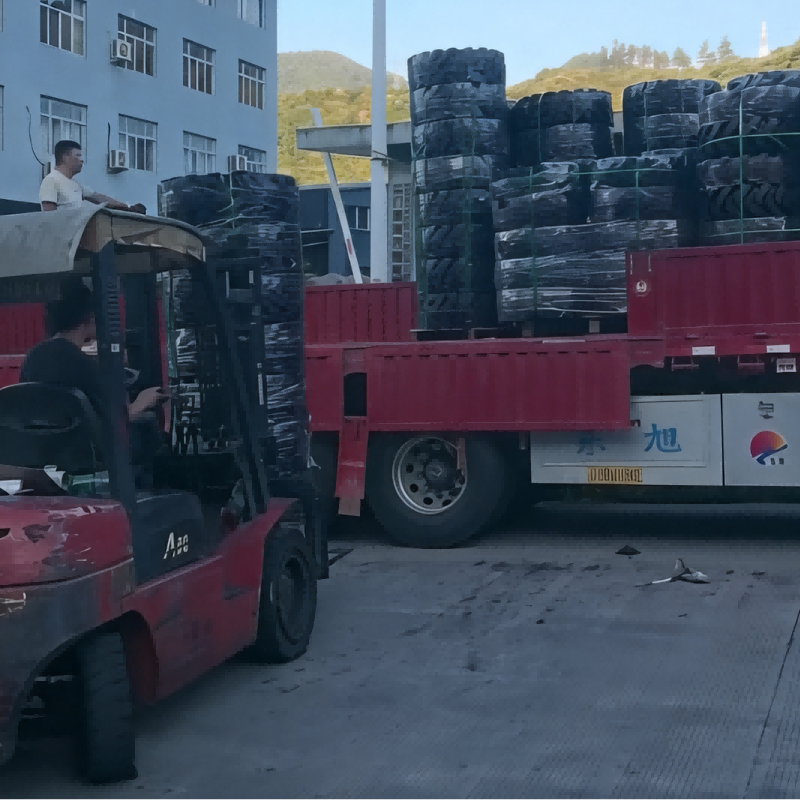
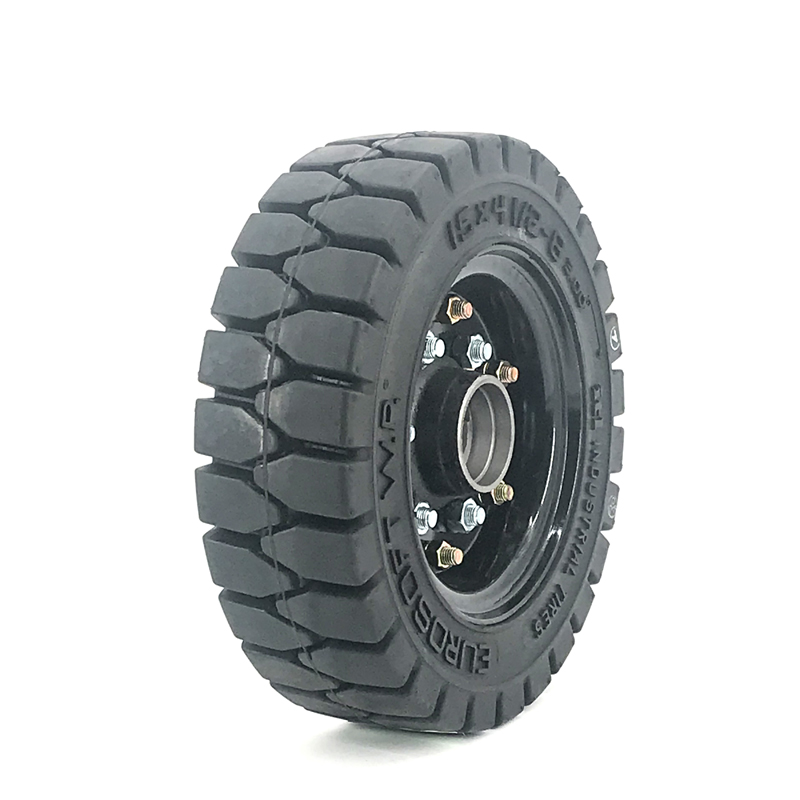
TAIZHOU, Zhejiang – Weichi Rubber Products Co., Ltd., a leading ISO 9001:2015 certified manufacturer of industrial solid tires, is pleased to announce the successful dispatch of a significant order to a key client in New Zealand. The shipment, containing a range of high-performance solid tires for material handling equipment, departed on March 27th, marking another milestone in our commitment to serving the global market.
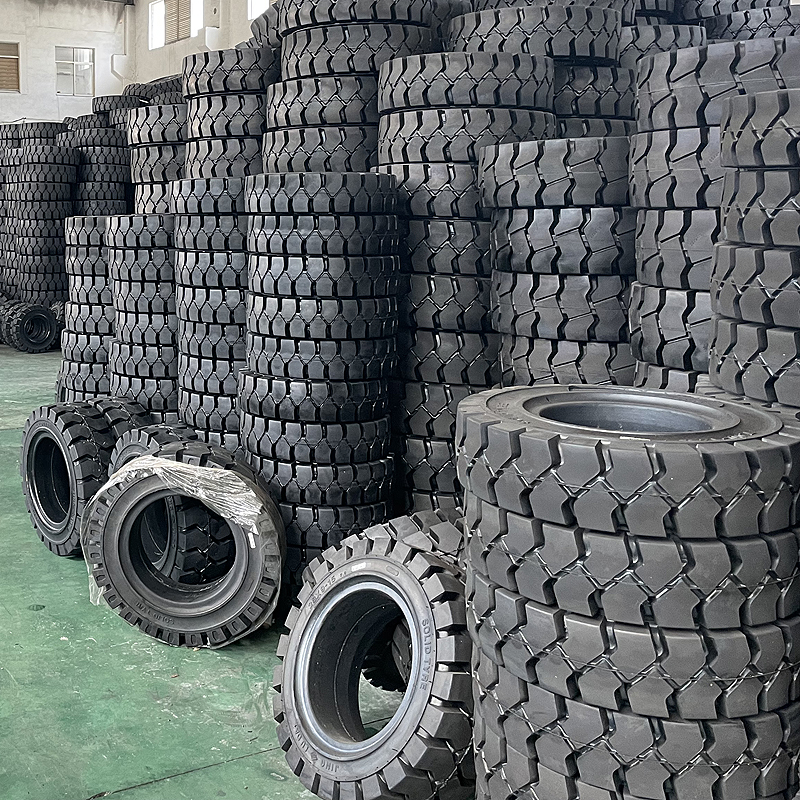
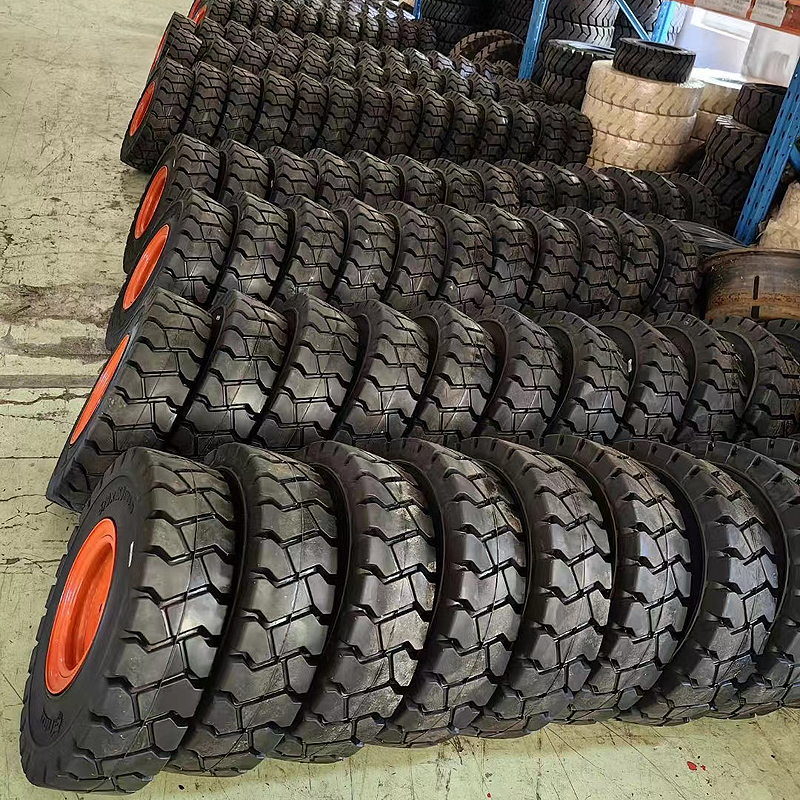
This delivery underscores our dedication to providing reliable, durable tire solutions for industries worldwide. The order included select models from our comprehensive product series, engineered to meet the demanding conditions of ports, warehouses, and construction sites.
"Timely and reliable delivery is a cornerstone of our partnership with clients," said a spokesperson for Weichi Tire. "This successful shipment to New Zealand reflects our operational efficiency and commitment to supporting our clients' operations, no matter where they are located. We are proud to be a trusted supplier in the Asia-Pacific region and beyond."
About Weichi Tire:
Since 2014, Sanmen Weichi Rubber Products Co., Ltd. has specialized in manufacturing premium solid tires for forklifts, trailers, OTR vehicles, and aerial platforms. Our products are known for superior shock absorption, heat dissipation, and wear resistance, helping businesses reduce downtime and operational costs. With a firm motto of "Integrity," Weichi Tire powers industry, one tire at a time.For more information, please contact:
Sanmen Weichi Rubber Products Co., Ltd.
No. 48, Xianghe Road, Haiyou Street, Taizhou, Zhejiang, China 317100
Email: tireweichia@gmail.com
Phone: +8613621940255View Detail Where Durability Meets Performance: Key Applications of High Resilient Solid Tires in IndustryJul 14, 2025
In high-demand industrial environments, every component of your equipment plays a role in ensuring efficiency and safety—including the tires. One such essential component gaining popularity across sectors is the high resilient solid tire. Known for their durability and performance in harsh conditions, these tires are transforming how industrial operations manage mobility, downtime, and maintenance.
Why Are High Resilient Solid Tires in High Demand?
Industrial operations require tires that can handle heavy loads, long hours of operation, and demanding terrain. High resilient solid tires are built to withstand extreme usage without deflation or frequent replacement. Their solid rubber construction and shock-absorbing capabilities make them ideal for applications where traditional pneumatic tires fall short.
These tires are not only maintenance-free but also resistant to punctures, flats, and wear—making them a smart long-term investment for businesses looking to improve operational uptime and safety.
Warehousing and Logistics Operations
In fast-paced warehouse environments, forklifts and automated guided vehicles (AGVs) are constantly on the move. High resilient solid tires ensure that these vehicles can run smoothly over uneven floors, expansion joints, and minor debris without compromising load stability. Their ability to absorb vibration enhances operator comfort and prolongs vehicle life.
Moreover, the reduced maintenance needs mean fewer service interruptions, a critical factor in high-volume distribution centers.
Airport Ground Support Equipment
Airports require tire solutions that can operate reliably under high loads and temperature fluctuations. Baggage tugs, tow tractors, and belt loaders fitted with high resilient solid tires benefit from enhanced traction, load-bearing capacity, and heat resistance. These advantages support around-the-clock operations in both indoor and outdoor settings, ensuring punctuality and equipment longevity.
Construction and Mining Sites
Heavy-duty equipment like skid steers, loaders, and aerial work platforms face extreme stress on rugged terrain. For these applications, high resilient solid tires provide unmatched puncture resistance and load capacity. Their robust design eliminates the risk of sudden flats—a serious safety hazard on active job sites—and ensures that machines stay productive throughout the shift.
Manufacturing and Heavy Industry
In steel mills, foundries, and heavy manufacturing environments, heat, sharp debris, and chemicals present constant challenges for mobility equipment. Solid tires not only resist damage from such elements but also help maintain floor hygiene by eliminating fluid leaks common with pneumatic tires. The long service life of high resilient solid tires directly contributes to reduced downtime and lower total cost of ownership.
View Detail- Choosing the Right Tire Tread Pattern: Tips and Tricks from Industry ExpertsAug 20, 2025
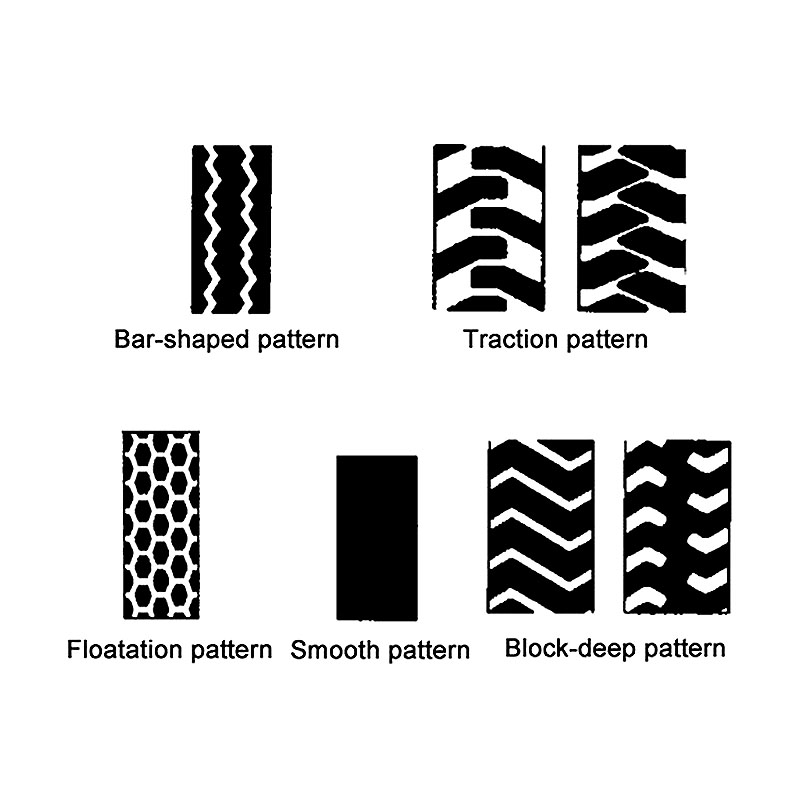
To ensure sufficient ground adhesion and good anti-skid performance of tires, designers should pay attention to the selection of tread patterns.
Bar-shaped pattern
This pattern provides smooth vehicle movement, excellent steering, anti-slip and high-speed carrying capacity. It is suitable for the driven wheels of transport vehicles and all wheels of trailers.Traction pattern
This pattern has excellent wear and cut resistance, making it suitable for various operating conditions (especially in harsh conditions such as mines and quarries) for pushing and transporting machinery.Block-deep pattern
This pattern also has excellent wear and cut resistance, making it suitable for various operating conditions (especially in harsh conditions such as mines and quarries) for pushing and transporting machinery.Smooth pattern
This pattern has good cut resistance, wear resistance, and even compactness, making it suitable for loading and transporting machinery in extremely harsh rock conditions and compacting machinery in even road conditions.Floatation pattern
This pattern provides good sinking resistance, making it suitable for transport vehicles operating in relatively wet and soft areas.When selecting a tire tread pattern, it is important to consider the operating conditions and requirements of the vehicle or machinery. Have you ever had to choose a specific tire tread pattern for a certain operating condition?
View Detail - Longer Service Life, Less Maintenance: The Strategic Edge of High Resilient Solid TiresJun 20, 2025
Is tire-related downtime slowing your operations and raising your maintenance costs? If you're running a warehouse, factory, or logistics fleet, you're aware that tire failures and frequent replacements can eat into your time, budget, and productivity. You don’t just need any tire—you need the right tire that delivers durability, stability, and long-term savings. That’s where High Resilient Solid Tires come in.
These tires are not just a product—they’re a strategic upgrade. And in 2025, smart buyers are choosing them for a reason.
Why High Resilient Solid Tires Mean Fewer Replacements
Every hour your machines or forklifts sit idle due to tire damage, your cost-per-operation increases. High-resilience solid Tires are designed for high-load, high-frequency environments. Unlike air-filled tires that can puncture or deflate, solid tires are made to last.
Their tough rubber compound resists wear and tear, even in the most demanding conditions. You don’t need to stop production for air pressure checks or frequent changes. That means you get more shifts done with fewer interruptions, year after year.
High Resilience Solid Tires Cut Total Cost of Ownership
Smart purchasing isn't about the cheapest upfront cost. It's about lifecycle value. High-resilience solid Tires may cost more initially, but they outlast standard tires by up to three times.
That means:
1. Lower replacement frequency
2. Less labor spent on tire changeovers
3. Reduced risk of machine damage from blowouts
4. More consistent performance on rough or uneven surfaces
When you factor in all costs over 12–24 months, solid tires offer a better return on investment for any operation that runs daily or under demanding conditions.
Built for Heavy Equipment, Designed for Safety
In industrial settings, safety is non-negotiable. High-resilient solid Tires support better load distribution and enhanced ground contact. This improves grip, reduces vibration, and lowers the chance of tipping or instability during transport or lifting.
Less bounce means more control. And for the operator, that means a smoother ride and fewer accidents caused by tire failure. Safer operations also mean fewer insurance claims and compliance issues.
Low Maintenance, High Uptime: The Real Business Advantage
Your maintenance team already has enough on its plate. High-resilience solid Tires require little to no daily upkeep. No inflation, no patch kits, no daily inspections. You reduce tire-related maintenance hours and redirect labor to where it's needed most.
If you're managing a fleet of forklifts, AGVs, or industrial vehicles, this adds up fast. More machines are running. Less time spent on repairs. Higher efficiency across the board.
What Buyers Should Ask Before Purchasing High-Resilience Solid Tires
Not all solid tires are created equal. When selecting your next set, it is important to confirm the load-bearing capacity of the tires at different operating speeds. The tread pattern must align with your floor surface and overall operational conditions to ensure proper grip and wear resistance. It is also essential that the tires are tested for heat resistance and their ability to absorb vibration, especially for continuous-use environments. A reliable supplier should be able to offer custom sizing and OEM compatibility to match your equipment needs. These factors help ensure that the tires you choose won’t wear out prematurely or fail under pressure. As a buyer, you're not just purchasing rubber—you are investing in uptime, safety, and long-term cost control.
Why More Buyers Choose Decadura for High-Resilience Solid Tires
Decadura is a trusted name in the industrial tire industry, offering a wide range of high-resilient solid Tires for logistics, construction, warehousing, and heavy machinery applications.
With over 20 years of manufacturing experience, Decadura delivers:
1. Consistent Quality: Strict QC at every stage ensures reliable performance
2. Product Variety: Tires are available in different sizes, compounds, and tread designs
3. Fast Customization: We meet your specific load, floor, or climate requirements
4. Global Support: Responsive after-sales service and international shipping
When you choose Decadura, you’re choosing durability, safety, and efficiency for your business. We don’t just sell tires—we deliver long-term value that keeps your operations running at full speed.
View Detail - The Essential Guide to Forklift Tire Standards in ChinaJun 18, 2025
Did you know that forklift tires in China follow a set of national standards to ensure safety, performance, and durability? These standards cover everything from tire sizes to pressure and load capacity. Let’s dive into the key standards every forklift owner or enthusiast should know about:
GB/T 2982-2001: Specifications, dimensions, pressure, and load for industrial pneumatic tires.
GB/T 10823-1996: Series for pneumatic tire rims and solid tires.
GB/T 10824-1996: Details for pneumatic rim solid tires.
GB/T 16622-1996: Series for press-on solid tires.
GB/T 16623-1996: Standards for press-on solid tires.
Interestingly, GB/T 2982-2001 partly adopts international standards like ISO3739 (1992) and ISO10571 (1995) while referencing the 1994 Yearbook of the U.S. Tire and Rim Association (TRA). Similarly, GB/T 10823-1996, GB/T 16622-1996, and GB/T 16623-1996 align closely with the TRA's standards.These standards provide detailed guidance on tire dimensions, pressure (for pneumatic tires), and load capacity, ensuring forklifts operate safely and efficiently in various industrial settings.
View Detail